Choosing the Right Tractor for Your Sustainable Small-Scale Farm
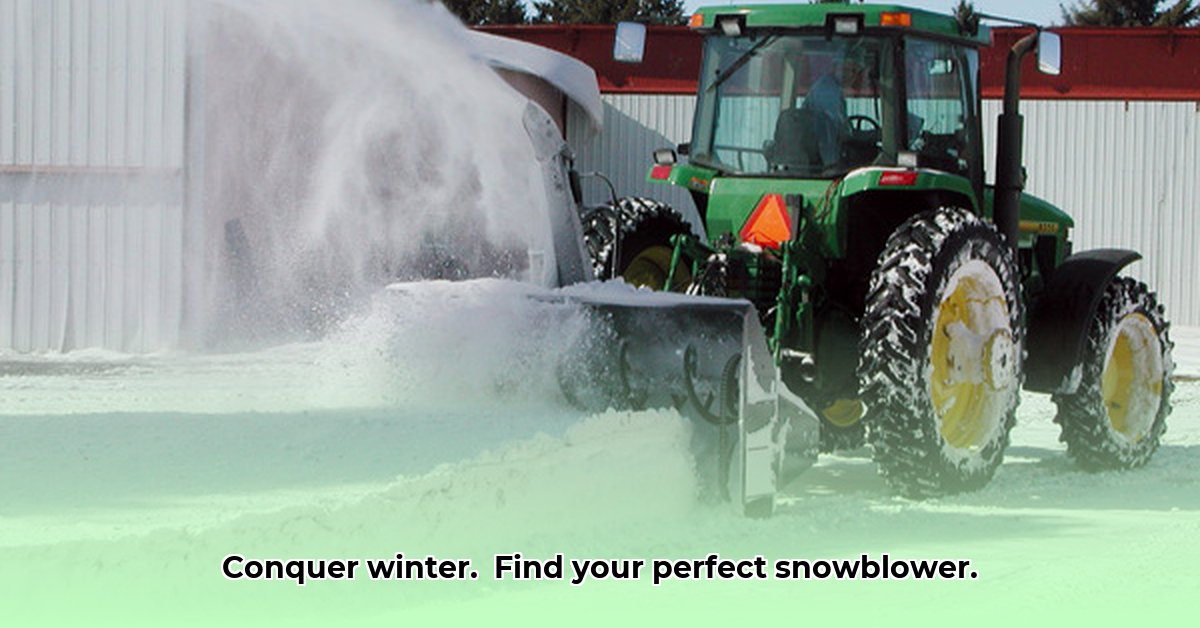
Winter's harsh realities often call for efficient snow removal, and while Tractor Supply might be better known for agricultural equipment, they offer a range of snowblowers to suit various needs. However, before we discuss snowblowers, let's address the increasingly important topic of sustainable small-scale farming and the critical role of selecting the right tractor. The right tractor can significantly improve efficiency, minimize environmental impact, and ultimately contribute to the long-term success of your farm. This guide will help navigate the selection process, focusing on factors crucial for sustainable practices. For tractor-mounted snow removal options, check out helpful resources.
Assessing Your Needs: A Foundation for Success
Before diving into tractor models, a thorough assessment of your farm is crucial. This ensures you select a machine perfectly matched to your specific requirements and operating conditions.
Land Size and Topography: Matching Tractor to Terrain
The size and topography of your land significantly influence tractor size and capabilities. A small, compact tractor may suffice for a few acres of relatively flat land, while a larger, more powerful machine with four-wheel drive (4WD) might be necessary for hilly or uneven terrain and larger acreage. Consider the maneuverability needed within your fields. Tight spaces require smaller, more nimble models.
Crop Types: Assessing Implement Compatibility
Different crops demand different implements (tools attached to the tractor). For example, cultivating row crops requires a different set of implements compared to managing orchards or pastures. Identify the implements you'll need, ensuring your chosen tractor has the appropriate power take-off (PTO) horsepower and three-point hitch capacity to operate them. Consider future expansion – choose a tractor capable of accommodating future implement acquisition.
Budget and Financing Options: Planning for Long-Term Costs
Tractors represent a significant investment. Factor in initial purchase cost, ongoing maintenance expenses (fuel, repairs, regular servicing are crucial for sustainability and longevity), and potential financing options. Proper budgeting and financial planning are essential for responsible agricultural operations. Don't overlook the importance of a well-defined maintenance schedule. This contributes directly to the tractor's longevity and reduces waste associated with premature failure.
Tractor Types and Features: Exploring Your Options
Several tractor types cater to the needs of small-scale farmers. Understanding their capabilities helps make an informed choice.
Compact Tractors: Versatility for Smaller Farms
Compact tractors offer a balance between power and maneuverability, making them well-suited for smaller farms and operations with limited space. Their versatility often includes PTO-driven implements and three-point hitch attachments, enhancing their usefulness. The fuel economy of compact tractors is also often a benefit.
Sub-Compact Tractors: Ideal for Tight Spaces
Sub-compact tractors excel in tight spaces and smaller operations. Their smaller size enhances maneuverability but this may come at the price of reduced power for larger implements. They work well for tasks such as mowing, tilling, and light hauling. However, carefully consider your long-term needs. Will your operation grow and necessitate a larger machine?
Utility Tractors: Increased Capacity for Growing Operations
Utility tractors offer increased horsepower and lifting capacity, enabling the operation of larger and heavier implements. They’re suitable for larger farms or operations that demand greater power. These become necessary as operations expand beyond the capabilities of smaller models. But consider the trade-off: increased fuel consumption and maintenance costs.
Key Features Supporting Sustainability
Several features enhance sustainability. Seek tractors with these key features:
- Fuel Efficiency: Look for models known for their fuel economy, minimizing your environmental impact and operational costs. Consider the long-term implications of high fuel usage.
- PTO Horsepower: Sufficient PTO horsepower ensures efficient implement operation, maximizing productivity and minimizing wasted effort.
- Implement Compatibility: Choose a tractor compatible with implements designed for minimal soil disturbance (no-till or reduced-till farming), aligning with sustainable principles.
- Precision Agriculture Technology Compatibility: If budget allows, consider a tractor compatible with technologies such as GPS guidance and variable-rate application, contributing to improved efficiency and resource management.
Sustainable Considerations: Minimizing Environmental Impact
Sustainable farming practices should guide your tractor choice. Efficiency and longevity are paramount.
Fuel Efficiency: Reducing Your Carbon Footprint
The type of fuel (diesel or gasoline) influences both operating costs and environmental impact. Diesel engines generally offer better fuel efficiency and torque for demanding tasks, while gasoline engines might be more affordable initially. Carefully weigh these factors.
Implement Selection: Promoting Soil Health
Implement selection directly impacts soil health and sustainability. Prioritize implements designed for minimal soil disturbance, such as no-till drills and other reduced-till options, to preserve existing soil structure and prevent erosion. Reduced tillage often leads to improved long-term soil health.
Maintenance and Longevity: Extending Tractor Lifespan
Proper maintenance extends the tractor's lifespan, reducing waste and minimizing the need for frequent replacements. A well-maintained tractor consumes less fuel and functions more effectively. Follow the manufacturer’s maintenance schedule religiously.
Making Your Decision: A Checklist and Resources
To synthesize the information and ensure a sound purchasing decision, use this checklist:
| Factor | Considerations |
|---|---|
| Land Size & Topography | Acreage, terrain, slope, maneuverability needs. |
| Crop Types | Implement requirements (e.g., tillers, planters, mowers). |
| Budget | Initial cost, maintenance, fuel, financing options. |
| Tractor Type | Compact, sub-compact, utility; match to your needs and budget. |
| Fuel Efficiency | Compare fuel consumption rates for different models. |
| PTO Horsepower | Ensure sufficient power for your implements. |
| Implement Compatibility | Prioritize no-till or reduced-till options for soil health. |
| Maintenance Plan | Establish a regular maintenance schedule. |
Remember, consulting with agricultural experts and experienced farmers in your region can provide invaluable advice tailored to your specific circumstances.
Conclusion: Investing in Your Farm's Future
Selecting the right tractor is a crucial investment in your farm's future. By carefully evaluating your needs, considering sustainable practices, and choosing a tractor that aligns with both your operational requirements and environmental responsibility, you lay a strong foundation for long-term success. Remember that a well-maintained tractor is essential for both efficiency and environmental sustainability.